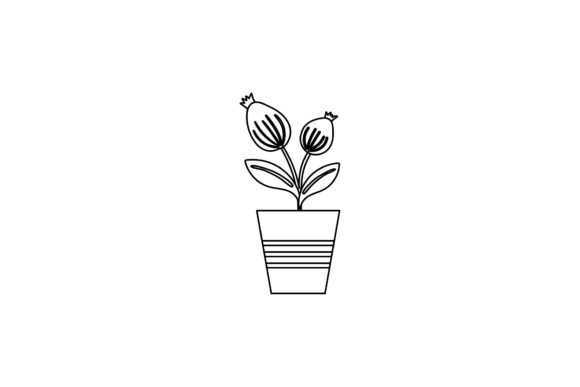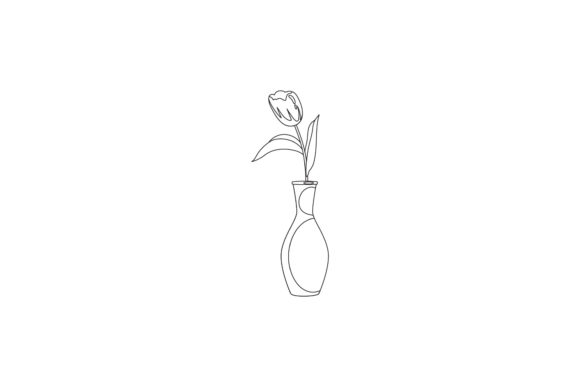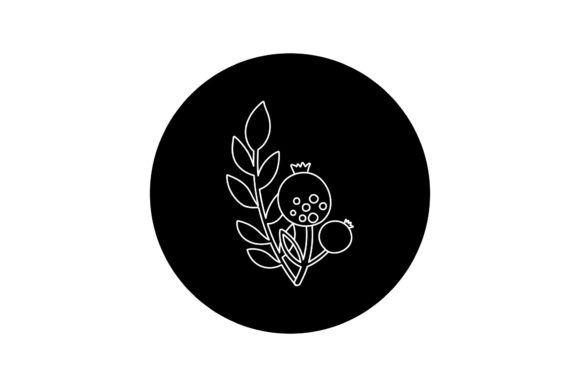
Beauty Flowers Art Line Style Review
As a designer who spends half my day staring at stitch charts and the other half trying to convince clients that embroidery has more depth than a flat print, I am always skeptical of "free" graphics. The market is flooded with vector packs that look beautiful on a screen but fall apart under the needle. However, when I pulled Beauty Flowers Art Line Style from the Freebies category to test for an upcoming boutique collection, I found myself pausing. This isn’t just another generic floral clipart; it has a structural integrity that suggests it was built with intention, not just generated by an algorithm.
I evaluated this design asset specifically for its potential in real-world commercial applications. My goal was to determine if this line-style graphic could hold up as a primary feature on custom apparel, personalized gifts, and high-end craft business items without looking cheap or overly simplistic after digitization.
The First Impression: Mood and Visual Personality
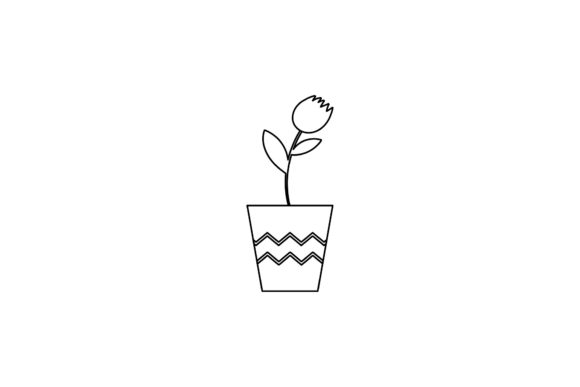
The moment you open the file, the aesthetic speaks for itself. It is minimalist, elegant, and airy. Unlike heavy, dense floral designs that scream for attention, Beauty Flowers Art Line Style whispers. It relies on negative space and clean vector paths to create a sophisticated mood. For an embroidery designer, this is a double-edged sword. The lack of solid fill areas means we have to rely heavily on technique—specifically satin stitches and delicate running stitches—to give the design weight and presence.
The theme feels timeless. It bridges the gap between modern Scandinavian decor and classic botanical illustrations. This makes it incredibly versatile. It doesn’t feel tied to a specific trend cycle, which is crucial for anyone planning to sell handmade products long-term. Whether you are creating a digital embroidery file for a niche audience or preparing a physical patch for a denim jacket, the visual personality remains consistent and professional.
Real-World Application: From Screen to Stitch
To truly judge a design, you have to imagine it on a product. Let’s talk about a specific scenario: a custom embroidered tote bag for a local artisan market. I visualized placing Beauty Flowers Art Line Style centered on a natural canvas tote. Because the design is line-based, it wouldn’t overwhelm the fabric texture. Instead, it would complement it. The thin lines would mimic the weave of the canvas, creating a harmonious, textured look that appeals to customers who value subtlety over flashiness.
I also tested this concept mentally for baby embroidery projects. A onesie or a nursery wall hanging featuring this design would offer a soft, gender-neutral option that parents often seek out. The gentle curves of the flowers translate well into thread, provided the stitch density is managed correctly. It avoids the "plastic" look that can sometimes plague large fill-stitch designs, making it ideal for items that need to feel soft to the touch, like blankets or pillow covers.
For the Etsy seller or small shop owner, this design is a goldmine for personalization. Imagine adding a client’s name in a simple script beneath the floral arrangement. The clean lines of the art leave plenty of room for text without cluttering the composition. This scalability is vital for creating unique, high-value finished products that stand out in a crowded marketplace.
Where Caution Is Required
No design is perfect for every situation, and Beauty Flowers Art Line Style has its limitations. It requires careful consideration regarding hoop size and fabric choice. If you attempt to digitize this for a very small hoop size, such as one used for socks or tiny cap logos, the fine details may get lost or become too fragile to withstand wear. The lines might break down during washing, leading to a poor customer experience.
Fabric texture plays a massive role here. On a smooth, tightly woven cotton, this design will shine. But on a highly textured fabric, like a chunky knit sweater or a rough burlap, the delicate lines might disappear into the weave. Similarly, stretchy fabrics require extra stabilization to prevent the design from distorting. If the thread tension isn’t perfectly calibrated, those clean lines could wobble, ruining the professional finish.
Dark fabrics present another challenge. While the design works beautifully on light backgrounds, applying it to dark garments requires a high-quality underlay or a contrasting thread color to ensure visibility. Without proper contrast, the elegance of the line style can turn into invisibility. Always test your thread colors against your base fabric before committing to a production run.
Technical Considerations for the Embroidery Designer
- Stitch Density: Since this is a vector graphic, you will need to decide how much density to apply during digitizing. Too much density can make the design stiff; too little can make it look wispy. Aim for a balanced approach that maintains the integrity of the lines.
- Satin vs. Running Stitch: The outer contours should likely be executed in a tight satin stitch to provide structure, while inner details might benefit from a lighter running stitch to maintain the airy feel.
- Stabilizer Choice: Use a cut-away stabilizer for stretchy fabrics or items that will undergo frequent washing. For stable fabrics like tea towels or home decor, a tear-away might suffice, but stability is key to preventing puckering.
- Thread Selection: Choose threads that match the sophistication of the design. Metallic or variegated threads might distract from the clean lines, so stick to solid, high-quality polyester or rayon threads in complementary colors.
Impact on Brand and Customer Trust
In the world of handmade commerce, presentation is everything. A well-executed embroidery project signals quality and care. When a customer receives a product featuring Beauty Flowers Art Line Style, they perceive it as thoughtfully designed. The clean aesthetics align with current trends in boutique branding, where simplicity and quality are prized over complexity.
This design enhances brand consistency. If your shop focuses on minimalist, modern goods, this graphic fits seamlessly into your visual identity. It helps build trust because it looks intentional and polished. Conversely, a poorly executed design can undermine even the best marketing efforts. By choosing a vector source that is editable and resizable, you retain control over the final output, ensuring that every finished product meets your standards.
Final Verdict
Beauty Flowers Art Line Style is a strong addition to any designer’s library, particularly for those focusing on apparel, home decor, and personalized gifts. Its versatility allows it to work across various mediums, from digital mockups to physical embroidery machines. However, success depends on your technical execution. Test it on scrap fabric first. Check the stitch density. Inspect small details under magnification. Confirm licensing terms if you plan to sell the finished items commercially.
If you treat this design with the respect it deserves—by paying attention to thread choice, stabilizer support, and hoop placement—it will reward you with a beautiful, professional result. For the craft business owner or hobbyist looking to elevate their offerings, this freebie offers significant value, proving that thoughtful design doesn’t always come with a hefty price tag.