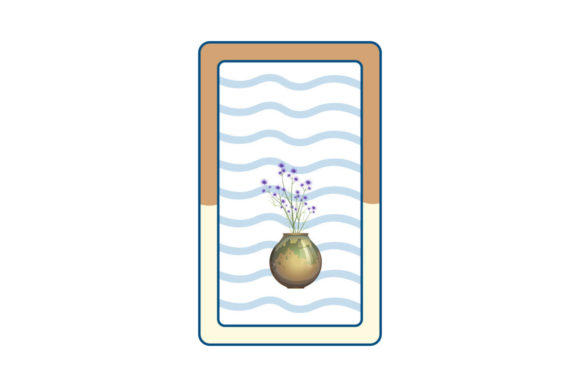
Cute Flowers Drawing for Decoration Art Graphics and Illustrations
When I take on a new client project, especially one involving branding or product design, my first step is always to evaluate the mood. Does the visual language feel authentic? Is it scalable? And most importantly, does it elevate the final output without distracting from the core message? Recently, I reviewed a specific asset titled Cute Flowers Drawing for Decoration Art while preparing concepts for a boutique skincare brand launching a spring collection. The goal was to create packaging that felt organic, approachable, and distinctly handmade, yet professional enough for retail shelves. This review breaks down how this design asset performs in real-world commercial scenarios, who should use it, and what practical considerations every designer must keep in mind before integrating it into a client’s workflow.
First Impressions: Mood and Visual Style
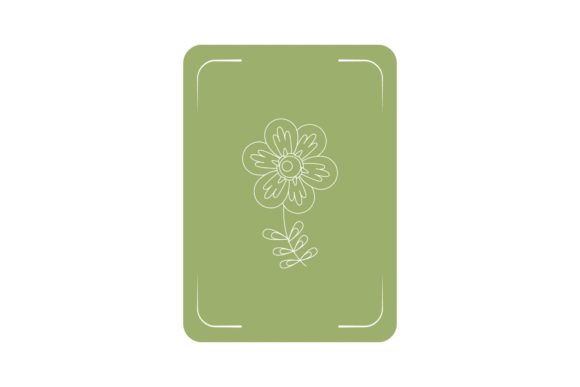
The moment you open the files associated with Cute Flowers Drawing for Decoration Art, the aesthetic is immediately clear. It leans heavily into a whimsical, illustrative style that feels soft and inviting. For a designer working on brand identity or marketing visuals, this kind of imagery is invaluable when trying to communicate warmth and care. Unlike rigid vector icons or overly realistic photographs, these illustrations offer a hand-drawn charm that resonates well with audiences looking for authenticity.
In the context of the client project I mentioned, the flowers provided a perfect counterpoint to clean typography. They softened the overall composition, making the brand feel less corporate and more like a trusted local artisan. However, "cute" can sometimes border on childish if not handled with restraint. My assessment is that this asset strikes a balanced line; it is playful but retains enough structural integrity to work within a sophisticated layout. It fits naturally into categories such as handmade business branding, small business branding, and lifestyle-focused editorial design.
Practical Application in Client Projects
One of the most critical aspects of any graphic design asset is its versatility. The product description notes that you receive six digital files with a canvas size of 1920px x 1280px, which provides a generous amount of resolution for most standard print and web needs. But how do these dimensions translate to actual deliverables?
- Packaging Design: These illustrations are ideal for product labels, boxes, and tags. Because they are high-resolution, they hold up well when printed on matte or glossy paper stocks. I tested placing them on mockups for soap bars and candle jars, and the detail remained crisp.
- Social Media Graphics: With a landscape orientation, these assets serve beautifully as hero images for Instagram posts, Pinterest pins, or website banners. They fill space effectively without overwhelming the text overlay, provided there is sufficient negative space.
- Print-on-Demand: For clients selling on platforms like Etsy or Redbubble, these designs are excellent for t-shirt designs, tote bags, and mugs. The cute floral motif has broad appeal and translates well to sublimation printing.
- Cricut Projects and Stickers: If your client uses cutting machines, the included AI file is crucial. It allows for clean vector paths, meaning the flowers can be scaled down for sticker sheets or cut vinyl decals without losing edge quality.
This flexibility makes the asset a strong candidate for a design bundle or a digital product intended for resale. It supports multiple revenue streams, from direct client work to passive income through creative marketplaces.
Where the Asset Shines and Where to Exercise Caution
No single design element works everywhere. Understanding the limitations of Cute Flowers Drawing for Decoration Art is just as important as knowing its strengths. Here is where I see it performing best:
- Large Layout Areas: Use these flowers as focal points or decorative accents in large white spaces. They draw the eye and add texture.
- Themed Collections: They work exceptionally well in seasonal campaigns, such as Mother’s Day, spring launches, or wedding stationery.
- Supporting Brand Elements: As part of a larger pattern or background texture, they add depth without dominating the hierarchy.
Conversely, there are situations where this asset requires careful handling. Avoid using these illustrations in minimalist branding projects where clean lines and geometric precision are paramount. They may clash with strict grid systems. Additionally, be cautious in crowded layouts or on low-contrast backgrounds. The delicate lines of the drawing can get lost visually, reducing readability and impact. In professional corporate materials, such as annual reports or financial presentations, the whimsical nature might undermine the seriousness of the content unless used very sparingly as a subtle watermark.
Technical Considerations for Professional Workflow
As a designer, I never import an asset directly into a final client proof without running a few technical checks. The inclusion of an AI file is a significant advantage, allowing for editability, but here are the steps I recommend taking:
Format and Transparency: Verify if PNG versions with transparency are included. Transparent backgrounds are essential for layering these flowers over photos or colored backgrounds without unwanted white boxes. If you are creating a Canva template or a web design component, transparency ensures seamless integration.
Contrast and Readability: Always preview the design in black and white. This helps determine if the illustration has enough tonal variation to stand out. Test it against both light and dark backgrounds to ensure it doesn’t disappear. For printable wall art or editorial design, contrast is key to visual interest.
Typography Pairing: The font style you choose will dictate the success of the layout. These flowers pair beautifully with script fonts or handwritten fonts that mimic their organic feel. They also work well with soft serif fonts for a classic look. Avoid harsh, heavy sans serif fonts or aggressive display fonts unless you are intentionally aiming for a modern, eclectic contrast. A sticker design or t-shirt design often benefits from bold, readable type that complements rather than competes with the illustration.
Licensing and Commercial Use: Before delivering any work to a client, confirm the commercial license. Ensure that the usage rights cover the specific mediums you plan to use, whether that is physical merchandise, digital ads, or broadcast media. Misunderstanding licensing can lead to legal issues and damaged client relationships.
Final Verdict for Designers and Creators
Cute Flowers Drawing for Decoration Art is a versatile and high-quality illustration set that offers genuine value for designers working in lifestyle, retail, and creative sectors. Its combination of high-resolution raster files and editable vector formats makes it suitable for a wide range of applications, from product mockups to social media graphics.
For Etsy products, print-on-demand sellers, and small business owners, this asset provides a polished look that elevates perceived value. For agency designers, it serves as a reliable tool for adding emotional appeal to campaigns focused on wellness, beauty, and home goods. By paying attention to placement, contrast, and typography, you can integrate these flowers into a cohesive modern design strategy that resonates with target audiences. It is not just a decoration; it is a strategic visual element that, when used correctly, enhances brand trust and engagement.