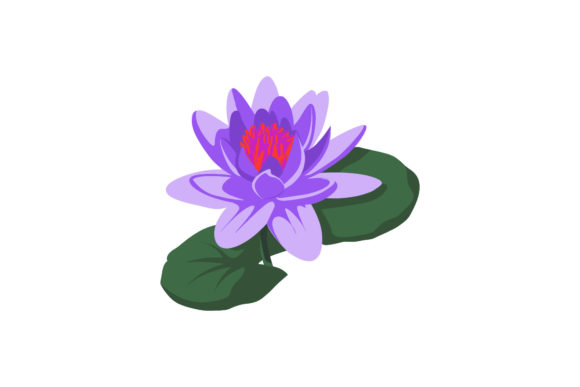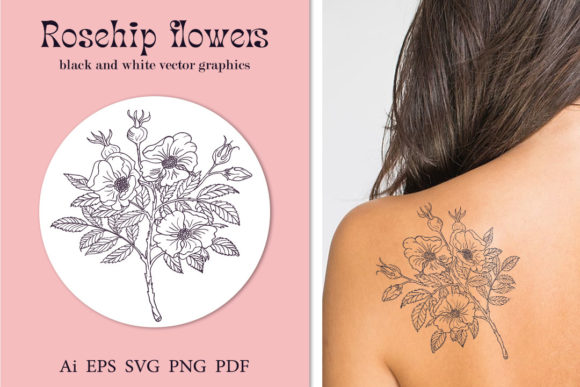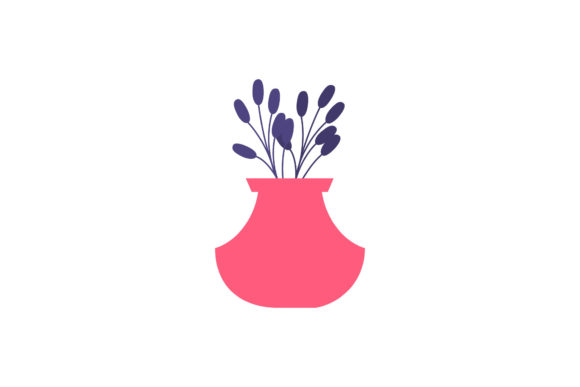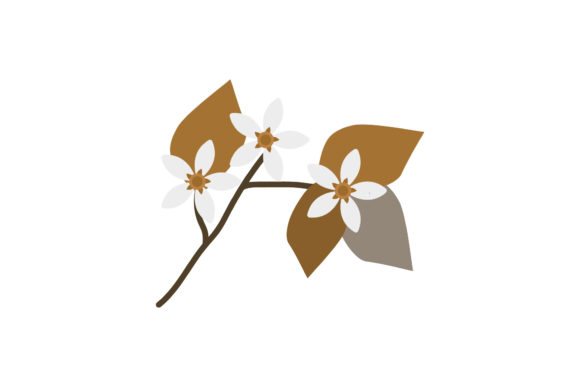
Flowers Beauty Botanical Vector: Graphics and Illustrations for Editorial Use
In the world of digital publishing, the line between content and design is increasingly blurred. As a blog designer who has spent years optimizing sites for both readability and aesthetic appeal, I know that a single graphic can make or break a reader’s first impression. Today, I am reviewing a specific asset that has caught my eye for its potential in editorial workflows: Flowers Beauty Botanical Vector. This isn't just a pretty picture; it is a strategic graphic design asset that can elevate everything from newsletter headers to affiliate marketing visuals.
When I first laid eyes on this botanical vector, the immediate takeaway was its versatility within a modern, clean aesthetic. It does not scream for attention with loud colors or chaotic patterns. Instead, it offers a sophisticated, organic feel that aligns perfectly with lifestyle blogs, wellness brands, and creative entrepreneurs. The design creates an editorial mood that feels both approachable and polished, which is crucial for building reader trust. Whether you are running a personal diary-style blog or a high-traffic affiliate site, having visual assets that feel professional yet artistic is key to maintaining a cohesive brand identity.
Editorial Mood and Visual Communication
The primary value of Flowers Beauty Botanical Vector lies in its ability to communicate "quality" without saying a word. In content marketing, we often talk about visual hierarchy—the arrangement of elements to guide the reader’s eye. A well-designed botanical accent can soften the hard edges of text-heavy layouts, making long-form articles feel less intimidating and more inviting. This asset leans towards a feminine, elegant, and slightly playful tone, making it ideal for niches like beauty, home decor, fashion, and self-care.
However, its elegance does not limit it to soft topics. When used correctly, these graphics can add a touch of refinement to educational content, such as online courses or digital guides. The clean lines typical of vector art ensure that the image remains crisp regardless of how much it is scaled, which is essential for responsive web design. It supports a visual identity that says, "This content creator cares about details."
Real-World Publishing Workflows
So, where does this asset fit into your actual production pipeline? After testing various applications, I found that Flowers Beauty Botanical Vector shines brightest when integrated into multi-platform content strategies. Here is how it translates across different formats:
- Pinterest Pins and Social Media Graphics: Pinterest is a visual search engine, and pins with clean, elegant borders or accents tend to perform well. Using this vector as a frame or background element for your tips and recipes can increase click-through rates by making the pin stand out in a crowded feed.
- Blog Featured Images: For article headers, this design provides a beautiful canvas for overlaying headlines. Because it is a vector, you can adjust the opacity to create a subtle backdrop that ensures your white text remains readable against any background color.
- Digital Guides and Lead Magnets: If you are creating a downloadable PDF, such as a meal plan, workout routine, or checklist, this asset adds a premium feel. It transforms a simple document into a branded digital product that users will want to keep.
- Newsletter Banners: Email open rates are driven by subject lines, but engagement is driven by design. A consistent botanical theme in your email headers helps build brand recognition over time, making your emails instantly identifiable in an inbox.
- E-commerce and Merchandise: The description notes that this design can be used for shirts, clothes, posters, stickers, tote bags, cards, and more. For small business owners, this means one purchase can fuel multiple revenue streams. You can use the same visual language across your website and your physical products, strengthening your small business branding.
Supporting Content Performance
Why bother investing time in finding the right design assets? The answer lies in user experience and conversion. A consistent visual system reduces cognitive load for your readers. When they see the same style of graphics across your blog posts, social media, and email newsletters, it reinforces your brand identity. This consistency builds authority and trust, which are critical factors in affiliate marketing and sales.
Furthermore, using high-quality vectors like Flowers Beauty Botanical Vector improves page performance. Unlike raster images that can become pixelated or heavy, SVG files are lightweight and scalable. This contributes to faster load times, a key factor in SEO and user retention. A fast-loading, visually appealing site keeps readers engaged longer, reducing bounce rates and increasing the likelihood of them exploring your content deeper.
Strategic Placement and Best Practices
To get the most out of this asset, you must place it strategically. It works exceptionally well as a decorative accent in hero images, category thumbnails, and editorial sidebars. It can also serve as a divider between sections in long articles, breaking up text in a visually pleasing way.
However, there are areas where caution is required. Avoid using this asset in contexts that demand strict minimalism or corporate seriousness. If your niche is finance, law, or heavy tech, the floral elements might clash with the expected tone of professionalism. Additionally, be mindful of mobile screens. On small devices, intricate details can get lost. Always test your designs at mobile resolution to ensure the vector remains legible and impactful.
I also recommend experimenting with typography pairing. Place this botanical graphic beside serif fonts for a classic, magazine-like look, or contrast it with sans-serif fonts for a modern, clean aesthetic. Script fonts can work well if you want to emphasize a handwritten, personal touch, but ensure there is enough contrast so the text does not get lost in the floral details.
Technical Publisher Notes
Before integrating Flowers Beauty Botanical Vector into your live site, consider these technical checks:
- File Formats: Ensure you have the AI and SVG files as mentioned. SVG is ideal for web use due to its scalability and small file size, while AI allows for deep customization if you need to modify the colors or shapes to match your exact brand palette.
- Contrast and Readability: Always preview your graphic with your headline text. Use tools to check contrast ratios to ensure accessibility compliance. Darker backgrounds may require lighter text overlays, and vice versa.
- Color Testing: Try rendering the vector in black and white. If the design holds up well in monochrome, it indicates strong structural integrity. This is useful for print materials or grayscale themes.
- Licensing: Confirm the commercial license terms. While many marketplaces offer broad usage rights, some restrict the number of end-products or require attribution. For monetized websites and paid digital downloads, clear licensing is non-negotiable.
- Compression: Even though SVGs are efficient, always run your final exports through optimization tools to remove unnecessary code bloat, ensuring your site speed remains optimal.
In conclusion, Flowers Beauty Botanical Vector is more than just a decoration; it is a tool for enhancing the perceived value of your content. By integrating this asset into your content marketing strategy, you create a more immersive and professional experience for your audience. Whether you are designing a new website header, creating a series of Instagram posts, or putting the finishing touches on a lead magnet, this graphic offers the polish needed to compete in today’s crowded digital landscape. For bloggers and publishers looking to upgrade their visual game, this is a worthwhile addition to your library of creative design resources.