Flowers Coloring Pages for Kids 39 Review
As an embroidery designer who has spent years translating digital art into stitched reality, I approach every new asset with a mix of optimism and skepticism. The market is flooded with graphics that look beautiful on a screen but fall apart under the needle. Today, I am evaluating Flowers Coloring Pages for Kids 39, a vector-based illustration categorized under Illustrations and Graphics. My goal here is not just to describe what it looks like, but to determine if it holds up in real-world production scenarios—specifically for custom apparel, personalized gifts, and small business merchandise.
First Impressions and Visual Personality
The moment you open the file, the first thing that strikes you is its inherent simplicity. Labeled as "Coloring Pages," the design relies on clean lines and distinct shapes rather than complex shading or photorealistic detail. For an embroidery designer, this is often a double-edged sword. On one hand, it promises ease of digitization; on the other, it risks looking too flat or childish if not handled with care.
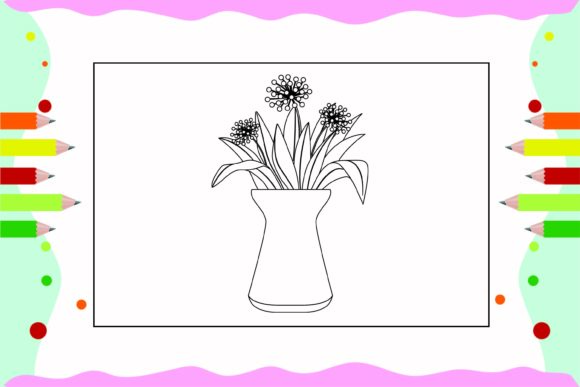
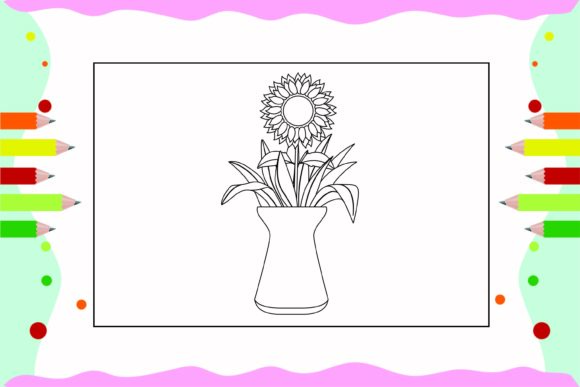
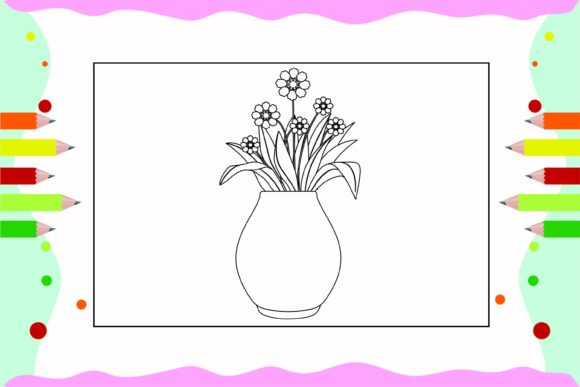
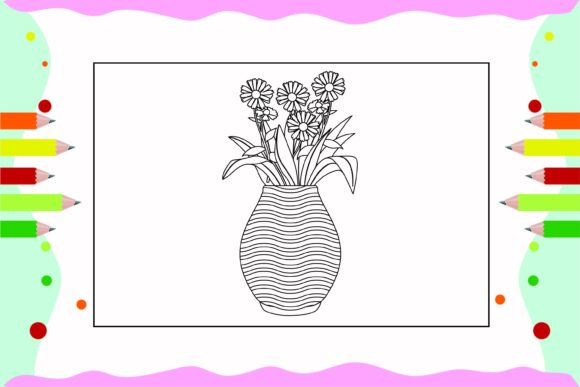
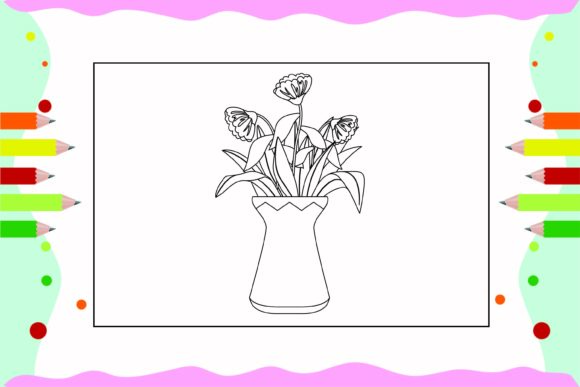
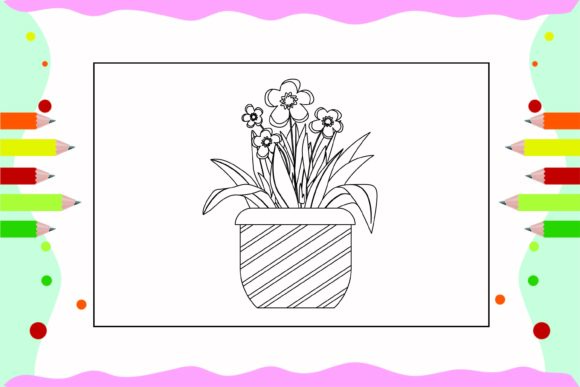
Flowers Coloring Pages for Kids 39 exudes a playful, innocent mood. The floral motifs are stylized, likely featuring large petals and clear centers. This visual personality naturally aligns with projects aimed at children, nurseries, or spring-themed collections. It feels less like a high-fashion botanical print and more like a friendly companion for a handmade tote bag or a baby’s first sweater. The vector nature of the file means these lines are crisp, which is essential when we need to scale the design without losing integrity.
Real-World Application: The Custom Tote Bag Scenario
To truly test a design, you have to imagine it on a product. Let’s consider a common use case for Etsy sellers and craft fair vendors: creating a set of custom embroidered tote bags for back-to-school season or summer outings.
If I were placing Flowers Coloring Pages for Kids 39 on a canvas tote, the layout would need to be strategic. Because the design is derived from coloring pages, it likely has significant negative space. In embroidery, negative space can be tricky. If left empty, it might look unfinished. However, if filled with appropriate stitch work, it adds texture. I envision this design working best as a central chest placement on a tote bag, perhaps surrounded by simple running stitches to mimic the "coloring" aesthetic, or used as an applique base where fabric fills the white spaces.
The appeal here is strong for parents buying personalized gifts. A child’s name paired with these cheerful flowers creates an instant emotional connection. The design isn’t trying to be sophisticated; it’s trying to be accessible. That accessibility is a selling point. It lowers the barrier for entry for beginner embroiderers while still offering enough charm for seasoned makers to create boutique-quality items.
Technical Performance in Embroidery
When converting this graphic into an embroidery file, several technical factors come into play. Since the source is a vector, resizing is effortless, but we must be mindful of the stitch density.
- Satin Stitch vs. Fill Stitch: The outlines of the flowers should ideally be converted to satin stitches for a clean edge. The inner petal areas could be filled with fill stitches, but given the "coloring page" vibe, leaving some areas open or using long-and-short stitches might preserve the original artistic intent better than dense filling.
- Thread Colors: The design invites creativity. Because it mimics a coloring book, it doesn’t dictate a specific palette. An embroiderer could use bright, primary colors for a toddler’s item or pastel threads for a nursery pillow cover. This flexibility increases the design’s value as a design asset.
- Detail Level: Small details in coloring pages can sometimes get lost in stitching. If the flower centers are tiny dots, they may require precise positioning. I recommend checking these areas closely during the digitizing phase to ensure they remain visible after washing.
Where Caution Is Required
Not every surface is suitable for this type of design. While Flowers Coloring Pages for Kids 39 is versatile, there are specific constraints to keep in mind:
- Small Hoop Sizes: Avoid attempting this design in very small hoops (under 4x4 inches) unless you simplify the elements. Tiny details will merge into indistinguishable blobs.
- Textured Fabrics: Do not attempt to stitch this on heavily textured fabrics like chunky knit sweaters or rough burlap. The clean lines of the vector will be obscured, ruining the crispness that makes the design appealing.
- Stretchy Fabrics: When working with thin or stretchy materials like jersey knits for t-shirts, ensure you use a proper stabilizer. Without adequate support, the tension required for the satin stitches could pucker the fabric, distorting the flower shapes.
- Dense Stitch Areas: If the design includes overlapping layers, be cautious of excessive thread usage. Too much density can make the final product stiff and uncomfortable, especially for baby clothes or items worn close to the skin.
Impact on Product Value and Brand Consistency
For commercial embroiderers and Etsy sellers, the choice of design directly impacts perceived value. Flowers Coloring Pages for Kids 39 positions itself firmly in the "cute" and "personalized" category. It does not scream luxury or minimalism. Therefore, it should be paired with products that match this energy.
Imagine a listing for a personalized gift package: a matching set of a bib, burp cloth, and hat for a newborn. Using this floral design across all three items creates a cohesive brand look. The repetition of the motif builds trust with the buyer, signaling attention to detail. Conversely, using this same design on a sleek, monochrome corporate polo shirt would feel out of place. Context is king.
The vector format also allows for easy creation of printable mockups. You can quickly generate previews showing the design on different colored fabrics, helping customers visualize the final result. This transparency reduces return rates and enhances customer satisfaction.
Practical Designer Notes for Implementation
Before committing to a full production run, I advise taking the following steps:
- Test on Scrap Fabric: Always stitch a sample on the actual fabric you plan to sell. Check how the thread interacts with the material’s weave.
- Black and White Mockup: View your digitized design in grayscale. This helps identify contrast issues between thread colors and background fabric before you spend hours threading your machine.
- Inspect Corners: Look closely at the outer edges of the flowers. Are there any sharp points that might cause thread breaks? Softening these slightly can improve durability.
- Confirm Licensing: Although the file is editable, verify the commercial use rights. Ensure you are allowed to sell finished products made from this digital embroidery file. This is crucial for protecting your craft business from legal issues.
- Stabilizer Selection: Choose a stabilizer that matches the fabric weight. Cut-away stabilizers are generally safer for garments that will undergo frequent washing, ensuring the embroidered patch or logo remains intact over time.
Final Verdict
Flowers Coloring Pages for Kids 39 is a solid, functional asset for designers looking to tap into the children’s wear and nursery decor markets. Its strength lies in its clarity and adaptability. It is not a complex, high-end artistic statement, but rather a reliable, charming tool for creating warm, inviting handmade products.
It shines brightest when applied to cotton blends, canvas totes, and soft baby textiles. With careful attention to stitch density and fabric choice, this design can elevate simple items into memorable keepsakes. For the savvy maker, it offers a low-risk, high-reward opportunity to expand their catalog with seasonal, evergreen floral themes. Just remember: the magic happens in the execution, so treat every stitch with intention.