Flowers Coloring Pages for Kids 52 Embroidery Review
As a designer who spends half my life staring at stitch density charts and the other half worrying about how a design will hold up after twenty washes, I approach every new asset with a mix of optimism and skepticism. When Flowers Coloring Pages for Kids 52 landed on my desk, I didn’t just see an illustration; I saw potential inventory for my Etsy shop and a candidate for a custom client order. The product description promises vector files that are openable, editable, and resizable without losing quality, which is the first green flag for any serious embroidery project. But does it translate well from screen to fabric? Let’s break down the practical reality of using this design in real-world applications.
First Impressions: Mood and Visual Personality
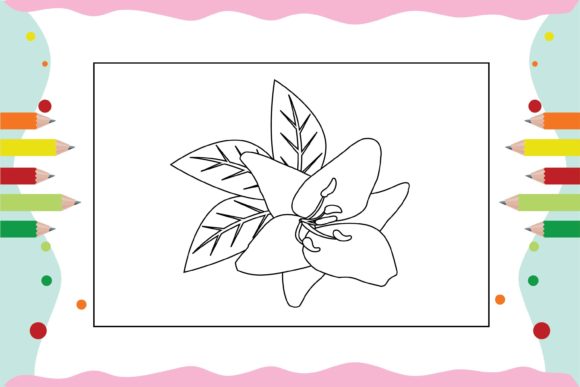
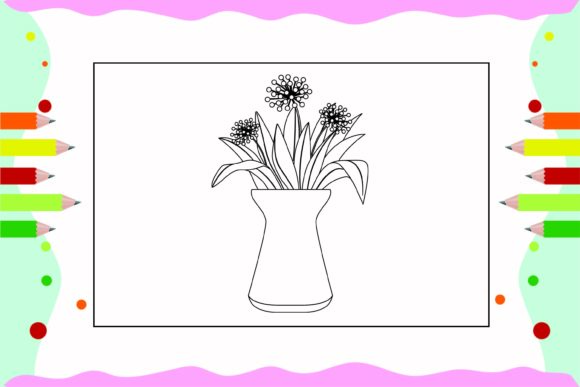
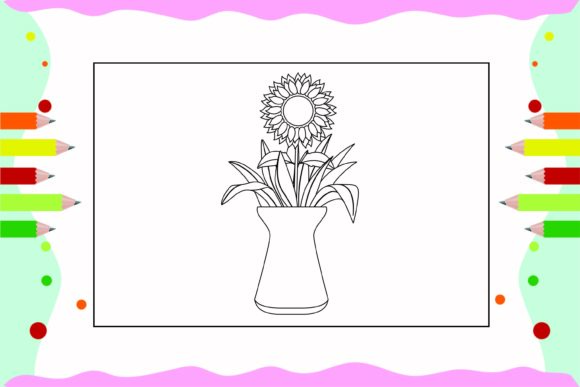
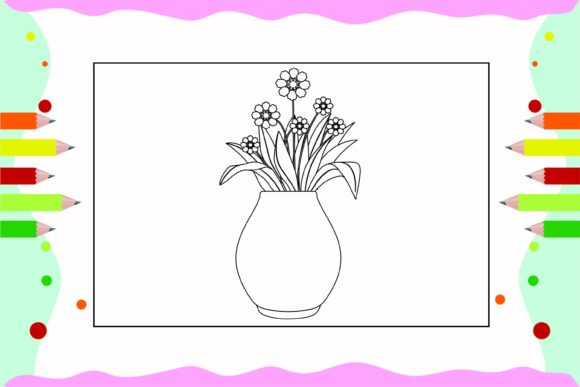
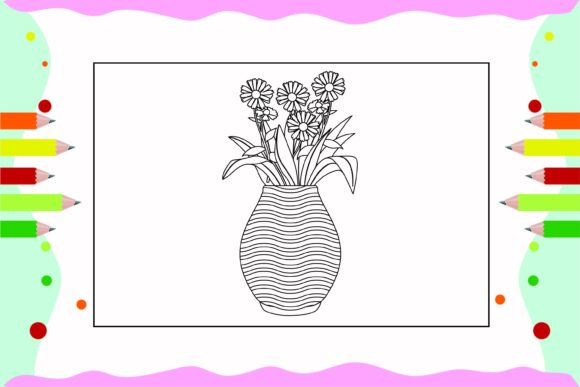
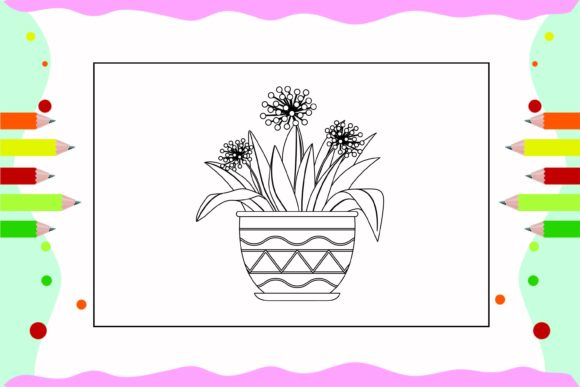
The moment you open the file, the intent of Flowers Coloring Pages for Kids 52 is clear. It carries a playful, innocent energy that screams "nursery" or "children's boutique." The line work is clean, and the shapes are distinct enough to be recognizable even when scaled down. For a designer, this clarity is gold. In the world of machine embroidery, ambiguous lines often turn into muddy blobs of thread, but this design has a structural integrity that suggests it will stitch out cleanly.
The theme is undeniably sweet. It evokes feelings of springtime, gentle growth, and childhood joy. This isn’t a bold, streetwear-style graphic; it’s soft, approachable, and highly commercial for specific niches. If you are building a brand around pastel aesthetics, organic cotton baby clothes, or handmade gifts for new parents, this design fits right into that visual ecosystem. It feels like a staple piece—something that never goes out of style because flowers are universally loved.
Real-World Application: Where This Design Shines
I recently had a scenario in mind that perfectly illustrates where Flowers Coloring Pages for Kids 52 would excel. Imagine preparing a custom embroidered tote bag for a local craft fair. You want something that appeals to moms buying gifts for toddlers. Placing this design on a natural canvas tote, perhaps centered on the front panel or clustered near the handle, creates an instant connection. The simplicity allows the texture of the canvas to show through, making the embroidery feel tactile and premium.
Beyond totes, this design is a powerhouse for custom apparel in the children’s category. Think sweatshirts, hoodies, and t-shirts. Because the file includes vector formats, you can easily resize the flowers to fit a small chest logo placement or expand them to cover the entire back of a youth-sized hoodie. It works beautifully as an embroidered patch too. If you add a border, these flowers could become standalone patches for denim jackets or backpacks, adding a pop of color to otherwise plain garments.
Home decor is another strong contender. I envision this design on a pillow cover for a child’s room or stitched onto a kitchen towel for a housewarming gift. The handmade product value increases significantly when the design feels personal and thoughtful. A tea towel featuring Flowers Coloring Pages for Kids 52 feels less like mass-produced merchandise and more like a curated item from a small business owner who cares about details.
Stitching Performance and Clarity
When converting this digital embroidery file for your machine, the vector nature of the source allows for precise control over stitch types. The outlines likely lend themselves well to satin stitches, providing crisp edges that define the petals and leaves. If the design includes internal details, fill stitches can add depth, while running stitches might be used for delicate stems or accents. The key here is managing the stitch density. Since this is a coloring-page style design, it likely relies on line art rather than heavy fills. This is actually advantageous for delicate fabrics, as it reduces bulk and prevents the fabric from puckering.
However, the success of the final look depends heavily on your choice of thread colors. To maintain the "coloring page" aesthetic, you might opt for monochromatic schemes using different shades of white or cream on a light background, creating a subtle, elegant texture. Alternatively, using vibrant threads against a dark fabric can make the design pop, though this changes the mood from "soft nursery" to "bold statement." Testing both options is crucial before committing to a production run.
Where to Exercise Caution
No design is perfect for every surface, and Flowers Coloring Pages for Kids 52 is no exception. There are several scenarios where this design requires careful consideration to avoid a disappointing result.
- Small Hoop Sizes: While the design is scalable, extremely small placements (under 2 inches) may cause fine details to disappear into the stitching. If you are working on tiny items like baby booties or small caps, ensure the minimum size still retains legibility.
- Textured and Stretchy Fabrics: Knits, jerseys, and heavily textured weaves can distort the clean lines of the illustration. Always use a proper stabilizer to support the fabric, and consider testing on a scrap piece first. On stretchy materials, the design might warp if not hooped tightly and stabilized correctly.
- Dark Fabric: If you plan to embroider this on black or navy fabric, you will need underlay stitches to ensure the thread coverage is opaque. Without proper underlay, the design might look translucent or uneven, especially if you are using lighter colored threads.
- Curved Surfaces: Applying this to curved items like baseball caps or fitted hats requires digitizing adjustments to account for the curvature. A flat design placed on a curve can look distorted if not adjusted for the three-dimensional shape.
Practical Designer Notes for Success
Before you start producing commercial embroidery pieces, there are a few non-negotiable steps to take. First, always test the design on scrap fabric that matches the weight and texture of your final product. This helps you identify any potential issues with tension or stitch pull before you ruin a customer’s garment.
Inspect the small details closely. Are the petals distinct? Is the stem thin enough to stitch without breaking? If the original vector has very thin lines, you may need to adjust the digitization to thicken them slightly for better durability. Also, check whether the design works in black and white mockups. Sometimes, a design looks great in color but loses its structure when viewed in grayscale, which can affect how customers perceive the value of the finished product.
Confirm the licensing terms explicitly. Just because a file is editable doesn’t mean you have unlimited commercial rights. Ensure you are allowed to sell finished items made from this design, especially if you are an Etsy seller or running a craft business. Clear licensing protects your reputation and avoids legal headaches down the road.
Final Verdict
Flowers Coloring Pages for Kids 52 is a versatile, high-quality asset that brings a touch of whimsy and professionalism to a variety of projects. Its vector format gives you the flexibility to adapt it for everything from personalized gifts to large-scale small shop product lines. By understanding its strengths in clear line work and its limitations on complex textures, you can leverage this design to create beautiful, marketable embroidery projects. It’s a reliable choice for designers who want to offer charming, durable, and visually appealing handmade goods.