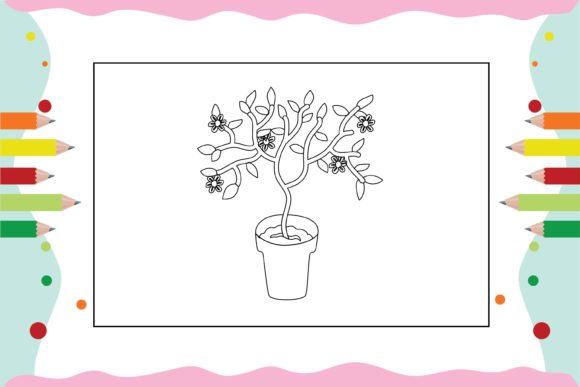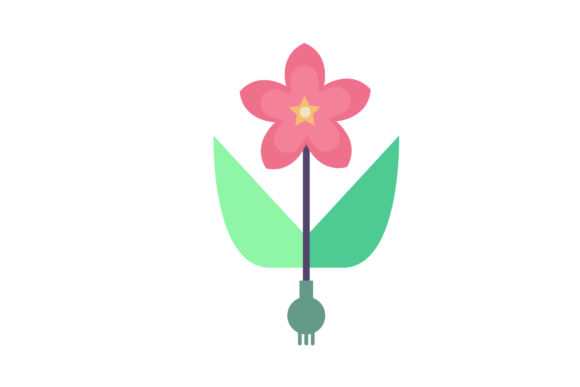
Flowers Natural Colection Botany Graphics and Illustrations Review
In the world of digital publishing, visual communication is not merely decoration; it is the primary interface between your content and your audience. As a blog designer who has spent years refining editorial layouts for high-traffic content sites, I approach every new graphic design asset with a critical eye. Does it enhance readability? Does it support brand identity? Does it convert? Today, I am reviewing Flowers Natural Colection Botany, a set of botanical illustrations that promises to bring organic elegance to digital spaces.
This review focuses on how this specific asset fits into real-world publishing workflows, from affiliate marketing blogs to educational newsletters. We will explore its editorial quality, technical specifications, and strategic application in modern web design.
The First Impression: Editorial Mood and Niche Fit
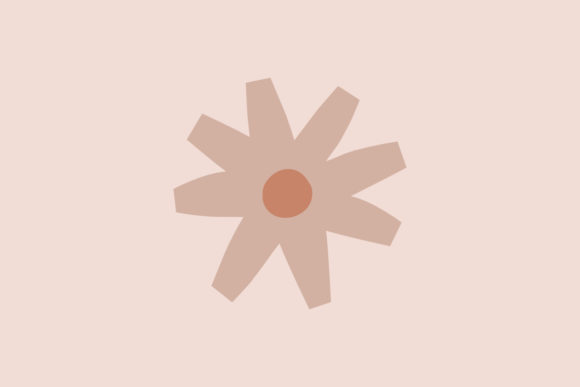
When you first load the preview for Flowers Natural Colection Botany, the immediate takeaway is one of refined simplicity. The design does not scream for attention with loud colors or chaotic compositions. Instead, it whispers sophistication. This is crucial for editorial design because it allows text to take center stage while providing a pleasing aesthetic backdrop.
The botanical theme naturally supports niches such as lifestyle blogging, wellness, sustainable living, home decor, and feminine entrepreneurship. It creates a mood that is clean, modern, and slightly artistic without being overly decorative. For a content creator aiming to build reader trust, this level of polish signals professionalism. It suggests that the content behind the image is equally well-researched and curated.
Unlike generic stock photos that can feel cold or staged, these illustrations offer a hand-crafted feel that resonates with audiences seeking authenticity. It bridges the gap between traditional print aesthetics and digital convenience, making it ideal for brands that want to maintain a brand identity rooted in nature and care.
Technical Specifications and File Utility
For any digital publisher, the utility of an asset is defined by its flexibility. The product description notes that you receive six digital files, each sized at 1920px by 1280px. This resolution is significant. A width of 1920 pixels ensures that the graphics look crisp on standard desktop monitors and most laptops, which are still primary devices for deep reading sessions.
The inclusion of both AI (Adobe Illustrator) and EPS formats is a major advantage for designers. These vector-based formats mean that Flowers Natural Colection Botany is scalable. You can resize the artwork for a massive website header or a tiny social media icon without losing quality. This scalability is essential for maintaining a consistent visual hierarchy across different platforms.
While the canvas size is fixed at 1920x1280, the vector source files allow you to crop, isolate specific floral elements, or rearrange compositions to fit unique layout needs. This transforms a static image into a versatile design asset that can adapt to various content marketing strategies.
Real-World Publishing Applications
So, where does this asset shine in a live publishing environment? Here are several practical scenarios where Flowers Natural Colection Botany can elevate your content:
- Blog Featured Images: Use the full composition as a hero image for long-form articles. The balanced layout provides ample negative space for overlaying headlines, ensuring readability while setting a sophisticated tone.
- Pinterest Pins: Pinterest is a visual search engine. The 3:4 aspect ratio often used in pins aligns well with the vertical nature of botanical art. You can use these graphics as backgrounds for tips, quotes, or listicles, driving traffic back to your site.
- Newsletter Headers: Email clients can be tricky with images. Using a clean, vector-based illustration like this ensures it renders sharply across different email providers. It adds a touch of personality to your digital guide or weekly update without distracting from the call-to-action.
- Digital Products and Lead Magnets: If you are creating downloadable worksheets, eBooks, or checklists, these illustrations can serve as cover art or internal section dividers. They add perceived value to your lead magnet, making it feel like a premium printable design.
- Category Thumbnails: On a content-heavy site, distinct visuals help users navigate. Assigning this botanical theme to specific categories (e.g., "Self-Care" or "Home") creates a cohesive library that users recognize instantly.
Impact on Content Performance
Investing time in high-quality design assets directly impacts user engagement metrics. When a visitor lands on your page, the first impression is visual. A polished graphic like Flowers Natural Colection Botany reduces cognitive load by providing a clear, aesthetically pleasing structure.
This clarity contributes to better click-through potential. When your social media previews and pin thumbnails look professional, users are more likely to click, assuming the content inside is of equal quality. Furthermore, consistency in visual style builds brand identity. Over time, readers will associate this specific botanical aesthetic with your voice, fostering loyalty and repeat visits.
In the context of affiliate marketing, trust is currency. A cluttered or amateurish design can subconsciously signal low effort or low reliability. By using refined creative design elements, you position yourself as an authority, making your recommendations more persuasive.
Strategic Placement and Cautionary Notes
While this asset is versatile, it is not a one-size-fits-all solution. There are contexts where it should be used carefully:
- Small Mobile Thumbnails: On very small screens, intricate botanical details may blur or become indistinguishable. Always test how the image looks when scaled down to thumbnail size.
- Text-Heavy Blog Images: Avoid placing large blocks of text directly over complex floral patterns. Ensure there is sufficient contrast or use semi-transparent overlays to maintain readability.
- Serious Professional Niches: If you are writing for corporate finance, legal advice, or hard tech news, this soft, natural aesthetic might clash with the required tone. It is better suited for lifestyle, creative, or wellness-focused web design.
- Busy Layouts: If your website already has many competing visual elements, adding another decorative layer can create visual noise. Use it sparingly as an accent rather than a dominant feature.
Practical Publisher Notes for Implementation
To get the most out of Flowers Natural Colection Botany, follow these best practices:
- Test Across Devices: View the graphics on desktop, tablet, and mobile. Check alignment and ensure no critical parts of the illustration are cropped on smaller screens.
- Font Pairing: Experiment with typography. This botanical style pairs beautifully with elegant serif fonts for headings and clean sans-serif fonts for body text. Avoid overly playful script fonts unless you are going for a very specific vintage look.
- Contrast and Readability: Use tools to check color contrast ratios. Ensure that any overlaid text meets accessibility standards so all readers can consume your content comfortably.
- Web Performance: Even though the source files are vectors, export final images for the web in optimized formats like WebP or compressed JPEGs. Large file sizes can slow down page load times, hurting your SEO rankings.
- Licensing Verification: Before using these graphics on monetized websites, affiliate pages, or paid products, confirm the commercial license terms. Most marketplaces allow commercial use, but understanding the restrictions protects your business.
Final Verdict
Flowers Natural Colection Botany is a strong addition to any publisher’s toolkit. It offers the perfect blend of aesthetic appeal and technical utility. Whether you are updating your website header, designing a new Pinterest pin strategy, or creating a beautiful digital download, this asset provides the editorial polish needed to stand out in a crowded digital landscape. For bloggers and designers seeking to elevate their visual communication, this is a reliable, high-quality choice.