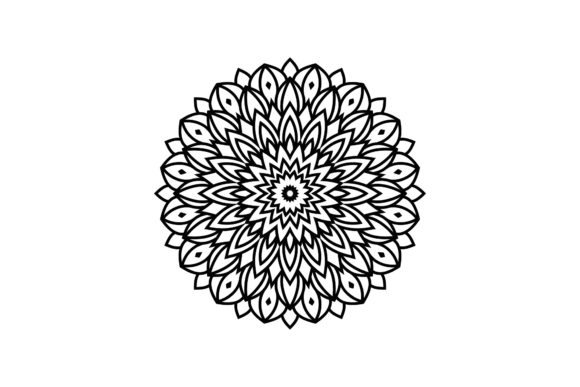
Mandala Flowers Oriental Illustration: Graphics and Design Review
As a graphic designer who spends most of my day balancing client expectations with creative execution, I am constantly hunting for design assets that offer both aesthetic depth and technical flexibility. Recently, I encountered the Mandala Flowers Oriental Illustration, a vector design that immediately caught my attention for its intricate detailing and versatile application potential. This review is not just about admiring the artwork; it is a practical assessment of how this graphic design asset performs in real-world scenarios, specifically when integrated into professional branding, marketing visuals, and product design.
First Impressions and Visual Mood
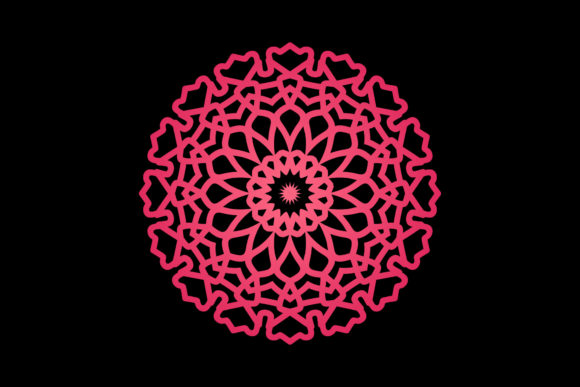
When you first open the file for the Mandala Flowers Oriental Illustration, the immediate takeaway is its sophisticated balance between complexity and elegance. The style leans heavily into traditional oriental aesthetics, utilizing symmetrical floral patterns that evoke a sense of calm, luxury, and timelessness. Unlike trendy, flat-design illustrations that often feel disposable, this piece carries a weight of modern design principles while honoring classic motifs.
The visual mood created by these illustrations is one of refined tranquility. It feels suitable for brands that want to communicate quality, heritage, or spiritual wellness. For a designer preparing a concept for a boutique skincare line, a high-end tea brand, or a yoga studio, this asset provides an instant elevation of the visual hierarchy. It does not scream for attention; rather, it invites the viewer to look closer, which is a powerful tool in editorial design and packaging design.
Real-World Application in Client Projects
To truly judge a digital product, we must look at how it functions within a broader brand identity. I recently conceptualized a rebranding project for a handmade candle company that wanted to move away from rustic, bohemian vibes toward something more elegant and minimalist yet still organic. The Mandala Flowers Oriental Illustration became a cornerstone of this new direction.
In this context, the asset served multiple purposes effectively:
- Packaging Details: When used as a subtle background texture on cream-colored labels, the vector lines remained crisp even at small scales, adding a tactile feel to the visual experience without overwhelming the product name.
- Social Media Graphics: For Instagram posts and Pinterest pins, the illustration provided a strong focal point. By isolating specific floral elements from the mandala, we created a cohesive set of marketing visuals that felt part of a unified collection.
- Merchandise and Print-on-Demand: The design’s symmetry made it ideal for center-placement on t-shirts, tote bags, and mugs. As a sublimation design, it printed cleanly, maintaining its integrity across different fabric textures.
This versatility confirms that the asset is not just a standalone image but a functional component of a larger creative design strategy. Whether you are creating a Cricut project for local events or designing a full suite of web design elements, the scalability of the vector files ensures consistency across all touchpoints.
Where the Asset Shines
There are specific areas where the Mandala Flowers Oriental Illustration excels due to its structural properties. Because it is composed of clean, editable vector paths, it adapts beautifully to large layout areas. It works exceptionally well as a hero graphic on landing pages, where it can be scaled up without pixelation, providing a premium feel that static images cannot match.
Furthermore, the asset is highly effective in product mockups. When placed on glass bottles, ceramic plates, or paper packaging, the intricate lines catch the light and shadow in a way that suggests physical embossing or foil stamping. This makes it an excellent choice for printable wall art and high-end sticker design. For sellers on Etsy or other creative marketplaces, this level of detail adds perceived value to your digital downloads, allowing you to position your products in the premium tier.
Additionally, the ornamental nature of the flowers makes it perfect for decorative accents. You can use negative space techniques to integrate text within the mandala structure, creating custom logo design concepts or monograms that feel bespoke and hand-crafted, even though they are generated digitally.
Areas Requiring Careful Consideration
No single asset is a magic bullet, and there are situations where the Mandala Flowers Oriental Illustration requires careful handling. Due to its inherent complexity, it can become visually noisy if not managed correctly. In projects that demand strict minimalism or corporate professionalism—such as financial reports, legal firm branding, or tech startup interfaces—this illustration might clash with the desired tone of clarity and efficiency.
Designers should also exercise caution when using this asset in crowded layouts. If you combine it with heavy typography, busy backgrounds, or multiple competing graphics, the visual hierarchy will suffer. The eye may struggle to find the primary message, leading to confusion rather than engagement. It is best reserved for roles where it acts as a supporting element or a focused centerpiece, rather than a background pattern that competes with content.
Another consideration is color contrast. While the vector format allows for easy recoloring, the original design relies on distinct tonal variations. On low-contrast backgrounds, such as light gray on white, the details may get lost. Always test the asset against your specific brand palette to ensure readability and impact.
Practical Designer Notes for Implementation
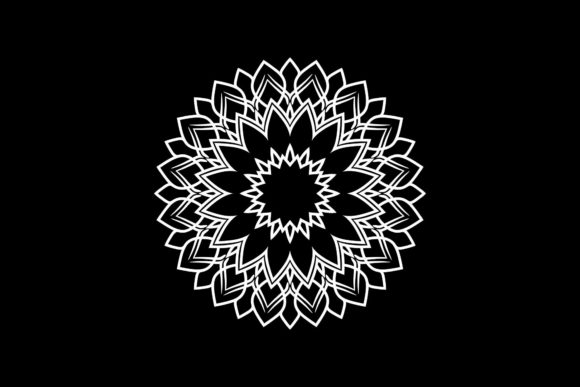
Before integrating the Mandala Flowers Oriental Illustration into a commercial project, there are several technical checks every designer should perform. First, always preview the asset in black and white. This helps assess the strength of the line work independent of color influence. If the design holds up in grayscale, it has strong structural integrity.
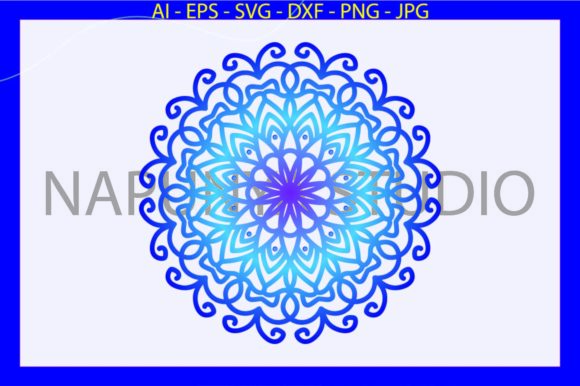
Next, inspect the file formats carefully. Ensure you have access to the source vector files (such as AI, EPS, or SVG) for maximum editability. If you are working in Canva templates or other web-based tools, verify that the PNG versions include transparent backgrounds to allow for seamless layering. Check the resolution of any raster previews to ensure they meet print standards, typically 300 DPI for physical goods.
Typography pairing is crucial. Given the ornate nature of the mandala, pair it with clean sans-serif fonts for a modern contrast, or elegant serif fonts for a traditional look. Avoid overly decorative script or handwritten fonts that compete with the intricate details of the illustration. The goal is harmony, not competition.
Finally, and perhaps most importantly, confirm the commercial license terms. Even if the asset is labeled as a design bundle or clipart, usage rights vary. Ensure you are permitted to use the Mandala Flowers Oriental Illustration for end-products sold to clients or customers. This protects your business from legal issues and ensures ethical use of illustrations and graphics in the creative marketplace.
In conclusion, the Mandala Flowers Oriental Illustration is a robust, high-quality design asset that offers significant value for designers looking to add elegance and cultural depth to their projects. Its vector nature, combined with its timeless aesthetic, makes it a reliable choice for everything from small business branding to large-scale marketing visuals. With proper planning and attention to context, it can elevate any design to a polished, professional standard.