Flowers Mandala Arabic Graphics and Illustrations Review
When a client approaches me with a request for a brand that feels both rooted in tradition and elevated by modern elegance, I immediately start thinking about symmetry, intricate detail, and cultural resonance. Recently, I was tasked with developing a visual identity for a boutique skincare line inspired by Middle Eastern botanical heritage. The brief required something sophisticated enough for high-end packaging but versatile enough for social media marketing visuals. This is where Flowers Mandala Arabic caught my eye. As an experienced graphic designer who evaluates assets based on their practical application in real-world projects, I decided to put this design element through its paces to see if it truly delivers on its promise as a premium creative design asset.
The First Impression: Mood and Visual Language
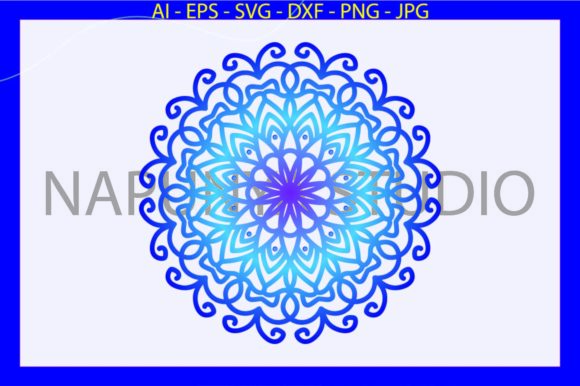
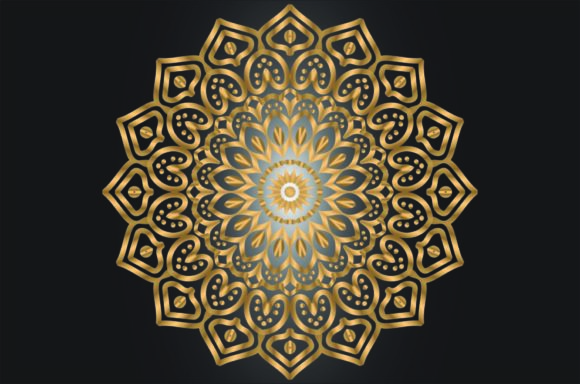
Upon opening the file, the immediate impression is one of refined complexity. Flowers Mandala Arabic is not merely a decorative border; it is a structured composition that balances organic floral motifs with geometric precision. The style speaks to a specific aesthetic—one that appeals to audiences seeking authenticity, luxury, and artistic depth. For a handmade business or a small business branding project, this asset provides an instant sense of authority and polish. It avoids the generic look of stock clipart by offering a cohesive narrative within the illustration itself. The visual mood is serene yet commanding, making it suitable for editorial design, wedding invitations, or spiritual wellness campaigns. It creates an emotional appeal that connects with viewers who appreciate detailed craftsmanship and cultural nuance.
Performance in Real Design Scenarios
In my workflow, versatility is key. I tested Flowers Mandala Arabic across several common design scenarios to determine its utility for commercial design. Because the files are vector-based, they are openable, editable, and resizable without losing quality, which is a critical factor for professional work.
- Packaging Design and Product Labels: The intricate details hold up beautifully when scaled down for small product labels. On a cosmetic jar or a tea box, the mandala structure provides a natural frame for typography, enhancing the perceived value of the product. It serves as an excellent decorative accent that elevates simple packaging into a premium experience.
- Merchandise and Print-on-Demand: For t-shirt design, mugs, and tote bags, the bold lines and clear negative space allow the design to print cleanly. Whether used for sublimation design or direct-to-garment printing, the asset maintains its integrity. It works particularly well for themed collections where a consistent visual language is required across multiple SKUs.
- Social Media Graphics and Digital Ads: In the digital realm, Flowers Mandala Arabic performs exceptionally well as a background element. It adds texture to Instagram posts and Pinterest pins without overwhelming the core message. When used as a subtle overlay behind text, it enhances readability while adding a layer of visual interest that stops the scroll.
- Cricut Projects and Sticker Design: For crafters and Cricut users, the clean vector paths make cutting precise. The design translates seamlessly into vinyl stickers, wall decals, and printable designs. Its symmetrical nature ensures that even when cut from various materials, the final result remains balanced and professional.
Strategic Placement and Visual Hierarchy
Knowing where to place a design asset is just as important as the asset itself. Flowers Mandala Arabic shines in large layout areas, such as hero graphics on a website or the back cover of a book. It acts as a powerful supporting brand element that anchors the composition. However, designers must be mindful of visual hierarchy. Because the illustration is detailed, it should not compete with primary headlines or call-to-action buttons.
There are also contexts where this asset requires careful handling. In minimalist branding, the complexity might feel too heavy. Similarly, in low-contrast designs or crowded layouts, the fine lines can get lost, reducing the overall impact. For professional corporate materials that demand strict simplicity, this asset may clash with the desired tone. It is best reserved for projects that embrace ornamental styles, such as artisanal food brands, jewelry lines, or cultural event promotions.
Technical Considerations for Professional Use
Before integrating Flowers Mandala Arabic into a client project, there are several technical checks every designer should perform. First, always test the asset in black and white. This reveals how the shapes interact and whether the design relies too heavily on color for its effect. Next, check contrast on both light and dark backgrounds. A mandala design often loses definition against busy patterns, so it pairs best with solid colors or very subtle textures.
Previewing the asset at small sizes is crucial. While vectors scale infinitely, tiny details can blur on low-resolution screens or when printed on small merchandise items. If the PNG transparency is included, inspect the edges for aliasing artifacts. For SVG or vector editability, ensure you have the necessary software to manipulate the anchor points if customization is needed. Comparing the asset with different font styles—such as serif fonts for elegance, sans serif fonts for modernity, or script fonts for a personal touch—helps determine the best typographic pairing. Finally, confirm the commercial license before using it for any client or business project to avoid legal complications.
Why It Fits Your Creative Workflow
Ultimately, Flowers Mandala Arabic is more than just a graphic; it is a tool that can streamline your creative process. For digital sellers and Etsy product creators, it offers a ready-made solution for creating cohesive design bundles. For bloggers and publishers, it provides engaging visuals that enhance storytelling. Its ability to function as a logo design element, web design accent, or marketing visual makes it a valuable addition to any design assets library. By understanding its strengths and limitations, you can leverage this illustration to create polished, professional results that resonate with your target audience.