Mandala Indian Henna Flowers Graphics and Illustrations Review
I recently received a brief from a client launching a boutique skincare line focused on natural, Ayurvedic-inspired ingredients. The brand name was soft, the packaging was matte earth tones, and the visual direction needed to feel organic yet sophisticated. They didn’t want generic clipart; they wanted something that communicated heritage, wellness, and intricate detail without overwhelming the product label. This is exactly the kind of scenario where Mandala Indian Henna Flowers becomes a critical asset in my workflow.
As a graphic designer who frequently balances creative expression with commercial viability, I don’t just look at how pretty an image is. I evaluate its structural integrity, its scalability, and its ability to hold up under real-world printing and digital constraints. After testing this vector design across various mockups and layout experiments, here is my professional assessment of whether Mandala Indian Henna Flowers is ready for your next client project.
First Impressions: Mood and Visual Weight
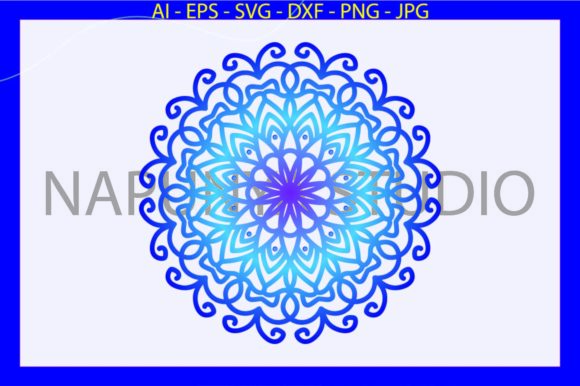
The moment you open the file, the intricate linework of the Mandala Indian Henna Flowers stands out. It carries a distinct bohemian elegance that immediately signals "handcrafted" and "artisanal." In design terms, we call this high visual weight. The lines are delicate but confident, mimicking the traditional henna (mehndi) patterns found in South Asian culture.
For a small business branding project, this mood is incredibly valuable. It instantly elevates the perceived value of a product. Whether you are designing a logo design for a yoga studio, creating marketing visuals for a spice brand, or developing editorial design for a lifestyle blog, this illustration provides an immediate emotional hook. It feels warm, inviting, and culturally rich. However, designers must be mindful that this warmth can sometimes clash with cold, minimalist corporate identities. It belongs firmly in the realm of handmade business aesthetics, wellness brands, and creative marketplace products rather than tech startups or financial institutions.
Performance in Real Design Situations
One of the primary reasons I recommend this asset is its versatility as a SVG design. Because it is vector-based, it is fully openable, editable, and resizable without losing quality. This feature alone makes it suitable for a wide array of applications:
- Packaging Design: I used this element as a border accent on a cosmetic jar label. When scaled down, the details remained crisp, providing a premium look that justified a higher price point.
- T-shirt Design and Merchandise: For print-on-demand sellers, the clean lines translate beautifully to screen printing and sublimation design processes. It works exceptionally well on tote bags, mugs, and apparel where the design needs to withstand washing and wear.
- Social Media Graphics: In Instagram posts or Pinterest pins, the mandala structure creates a natural focal point. It breaks up white space effectively and draws the eye toward the central message or product.
- Cricut Projects and Sticker Design: Crafters love this because the cut lines are precise. It is ideal for vinyl decals, window clings, and planner stickers. The negative space within the henna pattern allows for clean weeding if you are using cutting machines.
Furthermore, this asset integrates seamlessly into Canva templates. If you create digital products for other creators, adding this layer of complexity to a simple template can transform it from basic to bespoke. It adds depth to web design headers and can serve as a decorative divider in long-form content.
Where the Asset Shines
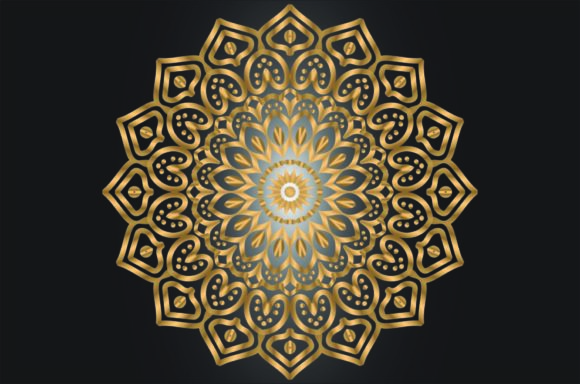
This illustration performs best when given room to breathe. It is perfect for large layout areas, hero graphics on landing pages, or as a standalone decorative accent on a dark background. It also works wonderfully as part of a themed collection, such as a wedding invitation suite, a festival flyer, or a seasonal campaign for autumn-themed products. When used in product mockups, it adds a layer of authenticity that stock photos often lack.
Areas Requiring Caution
Not every design challenge is solved by adding more detail. There are specific scenarios where Mandala Indian Henna Flowers should be used carefully:
- Small Sizes: At very small dimensions (under 1 inch), the fine linework may blur or become muddy, especially in low-resolution digital displays. Always test at final output size.
- Crowded Layouts: If your typography is already heavy or your background is complex, adding this illustration will create visual noise. It competes for attention, so use it sparingly.
- Minimalist Branding: If your client’s brand identity relies on stark minimalism, pure sans serif fonts, and lots of negative space, this ornate illustration might feel too busy. It clashes with ultra-modern, sterile aesthetics.
- Low-Contrast Designs: On light gray backgrounds, black henna lines might lack the punch needed for visibility. Ensure there is sufficient contrast between the asset and its background.
Technical Considerations for Professional Use
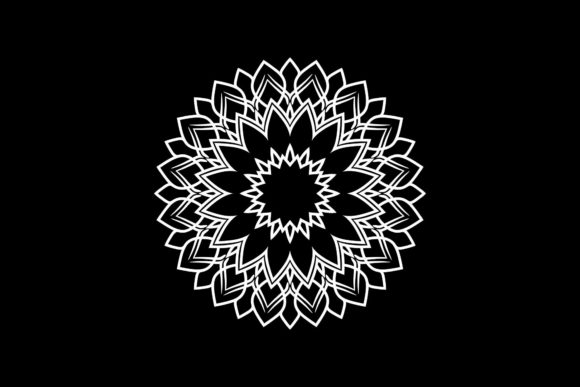
Before incorporating Mandala Indian Henna Flowers into a commercial design asset package, there are technical checks any professional designer must perform. First, always convert the design to black and white to check its silhouette. Does it still read clearly? If the shape collapses without color, it may not hold up in single-color print runs.
Next, inspect the file formats. Verify that the SVG file is clean, with grouped layers and no stray points that could cause issues during editing or cutting. If PNG transparency is included, check the edges for jagged pixels or unwanted halos. When pairing this illustration with text, consider the font style. A script font might compete with the organic curves of the henna, while a clean sans serif font can provide a modern balance. Alternatively, a serif font can enhance the traditional feel. Test these combinations rigorously.
Finally, and most importantly, confirm the commercial license. Even if the asset is labeled as a digital product, ensure you have the right to use it for client work, resell it in design bundles, or incorporate it into merchandise sold on platforms like Etsy or Amazon KDP. Misunderstanding licensing can lead to legal issues and damage your reputation as a trustworthy service provider.
Final Verdict
Mandala Indian Henna Flowers is more than just a pretty picture; it is a functional tool for enhancing brand identity and visual hierarchy. It brings a sense of craftsmanship and cultural appreciation to projects ranging from digital ads to physical packaging. By understanding its strengths in decorative accents and its limitations in minimalist contexts, you can leverage this illustration to create polished, engaging designs that resonate with audiences. For designers looking to add a touch of elegance and intricacy to their creative design portfolio, this asset is a worthy addition.