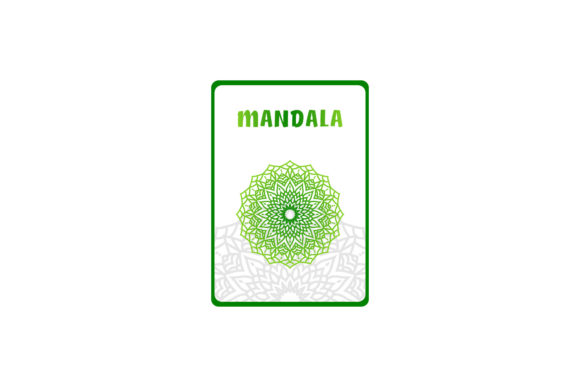
Mandala Indian Flowers Abstracts Embroidery Review
As a designer who spends more time looking at stitch density charts than actual art, I approach every new vector with a healthy dose of skepticism. The market is flooded with "unique" assets that look beautiful on a screen but fall apart under the needle. That is exactly why I decided to put Mandala Indian Flowers Abstracts through its paces before recommending it for your next commercial run or personal gift project. This isn't just another pretty picture; it is a complex Illustrations category asset that requires serious consideration when translated into physical thread.
First Impressions and Visual Mood
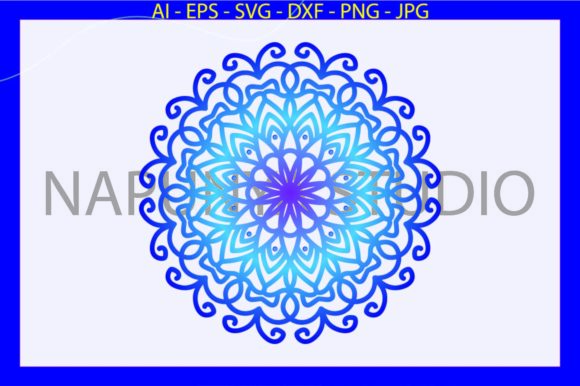
When you first open the files for Mandala Indian Flowers Abstracts, the immediate takeaway is balance. Mandala designs often suffer from being either too sparse or overwhelmingly dense, but this piece strikes a compelling middle ground. The abstract floral elements create a sense of organic movement, while the geometric structure provides the stability needed for successful machine embroidery. It feels spiritual yet modern, making it versatile enough for a wide range of aesthetics.
The visual personality here is calm and intricate. Unlike bold, graphic logos that scream for attention, this design invites the viewer to lean in closer. For an embroiderer, this translates to a design that rewards high-quality stitching. It does not rely on thick, chunky fills to make its presence known; instead, it leans on detail and rhythm. This makes it particularly effective for products where subtlety and craftsmanship are selling points, such as boutique home goods or high-end personalized gifts.
Real-World Application: The Custom Tote Scenario
To truly test the viability of Mandala Indian Flowers Abstracts, I imagine placing it on a specific product: a canvas tote bag for a local artisan market. Why a tote? Because it is a staple Etsy seller item, but also one that highlights the limitations of embroidery. Canvas is stiff, textured, and unforgiving of poor digitizing.
If I were to digitize this vector for a center-chest placement on a heavy cotton canvas, the result would be striking. The abstract flowers would pop against the natural weave of the fabric. However, this scenario forces us to consider the stitch density. If the original vector contains tiny, isolated petals, they might get lost in the canvas texture unless we use a generous amount of fill stitch coverage. Conversely, if the lines are too thin, they may pucker the fabric. In this real-life context, Mandala Indian Flowers Abstracts works best when scaled up slightly, allowing the negative space between the floral elements to breathe. It transforms a simple utilitarian bag into a statement piece, increasing the perceived value of the handmade product.
Performance Across Different Garments and Items
Beyond totes, this design has potential across several categories of custom apparel and accessories. Here is how it performs in different scenarios:
- Sweatshirt Embroidery: On a French terry hoodie, the softness of the knit complements the flowing nature of the mandala. A left-chest placement offers a subtle, professional look suitable for corporate branding or team uniforms. The design’s symmetry ensures it looks balanced even on curved surfaces.
- Baby Embroidery: This is a tricky category. Parents want something cute but safe. The abstract nature of Mandala Indian Flowers Abstracts avoids any potentially childish clichés, making it gender-neutral and timeless. However, for baby clothes, scale is critical. A small version might look like a speckle rather than a design. It works best on larger items like muslin blankets or oversized hoodies where the details can be resolved clearly.
- Embroidered Patches: If you are creating patches for denim jackets or bags, this design is ideal. The circular shape naturally lends itself to a patch border. You can add a satin stitch edge around the perimeter, and the internal complexity will hold up well to wear and tear, provided the stabilizer used during production is robust.
- Kitchen Towels and Aprons: For the craft business owner selling kitchen linens, this adds a touch of elegance. It elevates a basic tea towel from a utility item to a decorative object. The floral theme fits seamlessly into rustic, bohemian, or modern farmhouse decor trends.
Where Caution Is Required
Not every application is a good fit. There are specific situations where Mandala Indian Flowers Abstracts might struggle. First, avoid using this on highly textured fabrics like heavy tweed or boucle. The thread will get swallowed by the fabric pile, and the intricate details will vanish. Similarly, stretchy knits require careful hooping and stabilizer support; otherwise, the tension of the stitches will distort the mandala’s perfect geometry.
Another area of concern is small hoop sizes. While the design is scalable, shrinking it down to fit a 4x4 inch hoop (or smaller) risks losing the delicate inner details. Tiny running stitches may break, and fine fill areas may merge into a muddy blob. If you must use a small size, simplify the design digitally before stitching. Also, be wary of dark fabrics without proper underlay. Dark threads on dark fabric require a light-colored underlay or top layer to ensure contrast, which can sometimes obscure the finer points of the abstract flowers.
Technical Notes for the Designer
Before you send this to the shop floor, there are practical steps you must take. Since the source is a vector, you have the freedom to edit, but you must digitize with intent. Do not assume the software will automatically convert these paths into optimal stitches.
- Test on Scrap Fabric: Always run a sample on the exact fabric you plan to sell. Check how the thread colors interact with the material. Metallic threads might work beautifully here to enhance the "abstract" feel, but they can be harder to manage.
- Check Stitch Density: Look at the digital file. Are there areas where the stitches overlap excessively? Excessive density causes puckering, especially on lightweight fabrics. Adjust the settings to ensure a smooth finish.
- Confirm Licensing: As a commercial embroidery practitioner, you must verify the license terms. Does the purchase allow you to sell finished physical goods? Does it allow resale of the digital file itself? These distinctions are vital for avoiding legal issues.
- Mockup Validation: Create black and white mockups to check contrast. Sometimes color distracts from structural flaws. If the design doesn’t read well in grayscale, it might lack sufficient visual weight for embroidery.
Final Verdict
Mandala Indian Flowers Abstracts is a strong candidate for designers looking to add depth and sophistication to their offerings. It is not a quick-fix clipart; it is a design asset that demands respect and proper execution. When used correctly on appropriate fabrics and at the right scale, it produces a finished product that feels premium and thoughtful. It bridges the gap between traditional mandala symbolism and contemporary abstract art, making it a flexible tool for any creative entrepreneur. Just remember: the beauty of the final piece lies in the preparation. Test thoroughly, stabilize properly, and let the quality of your stitching speak for the design.